
Nail Health: What Your Nails Are Telling You and How to Keep Them Strong
Disclaimer: These statements have not been evaluated by the FDA. This product is not intended to diagnose, treat, cure, or prevent any disease.
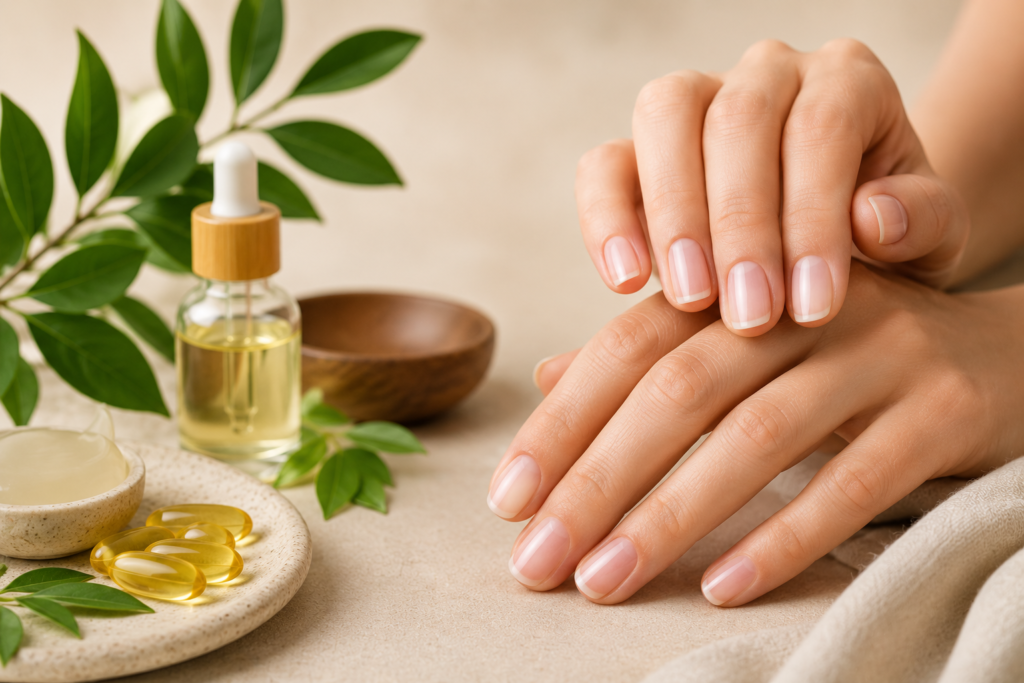
Nails are easy to overlook — until they start breaking, peeling, or growing slowly. Most of us think of nail care as a cosmetic concern, something addressed with a good polish or a trip to the salon. But the truth is, nail health is a genuine reflection of what’s happening inside your body. The strength, texture, color, and growth rate of your nails can all offer meaningful clues about your nutritional status, hydration levels, and overall wellness.
The encouraging news is that with the right habits — a nutrient-rich diet, proper hydration, gentle daily care, and targeted supplementation when needed — most people can meaningfully support the health and appearance of their nails. In this article, we’ll look at what nails are made of, what commonly undermines their strength, which nutrients play the most important roles, and how to build a nail-friendly routine that works from the inside out.
Understanding What Nails Are Made Of
Your fingernails and toenails are made primarily of a protein called keratin — the same fibrous structural protein that forms hair and the outer layer of skin. Keratin is produced by specialized cells called keratinocytes, which multiply at the nail matrix (the tissue just beneath the base of the nail, under the skin). As new cells form, older ones harden and compact into the flat, translucent plate we recognize as the nail.
A healthy nail grows approximately 3 millimeters per month on the fingernails and somewhat more slowly on the toenails. Growth rate can be influenced by age, nutritional status, circulation, and the time of year (nails tend to grow a bit faster in warmer months).
Because nails are made of protein and grow continuously, they are particularly sensitive to nutritional deficiencies, hydration levels, and internal health. Unlike skin, which constantly sheds and renews itself, nails grow in one direction and carry the record of your health over time — which is part of why dermatologists and clinicians sometimes examine nails as part of a broader health assessment.
Common Signs Your Nails May Need More Attention
Not all nail changes warrant alarm, but certain patterns can signal that your body would benefit from more nutritional support or care. Here are some of the most common signs worth paying attention to:
Brittle or splitting nails — Nails that chip, peel, or split easily are among the most common complaints. This can result from repeated wetting and drying of the nails, overexposure to harsh chemicals, or insufficient intake of certain nutrients like biotin, iron, or zinc.
Slow growth — If your nails seem to be growing more slowly than usual, nutrition, circulation, and hydration all play a role. Protein intake is especially important, since keratin is protein-based.
Ridges — Vertical ridges running from the base to the tip of the nail are common and often increase with age. Horizontal ridges can sometimes indicate periods of physical stress or nutritional disruption and are worth monitoring.
Pale or dull color — Nails that look pale, white, or lack a healthy pinkish tone beneath the nail bed may suggest that circulation or iron status deserves attention.
Soft or thin nails — Nails that bend easily or feel thin and fragile often respond well to improved protein intake, hydration, and key micronutrients.
Dry cuticles and surrounding skin — Cuticle health is closely tied to overall nail health. Dry, cracked cuticles can be a sign of low moisture, vitamin deficiency, or excessive exposure to water and chemicals.
If you notice sudden or dramatic changes in your nails — particularly discoloration, pitting, separation from the nail bed, or thickening — it’s always wise to consult a dermatologist or healthcare professional for a proper evaluation.
The Nutrients Most Relevant to Nail Health
Since nails are built from the inside out, what you eat and absorb plays a central role in their strength and appearance. Here are the nutrients most closely studied in connection with nail wellness:
Biotin (Vitamin B7)
Biotin is probably the most well-known nutrient associated with nail health, and for good reason. This water-soluble B vitamin plays an important role in the metabolism of amino acids — the building blocks of keratin. Several small studies have explored biotin’s potential to support nail thickness and firmness, making it a common ingredient in nail and hair wellness supplements.
Biotin is found naturally in eggs (especially egg yolks), nuts, seeds, salmon, sweet potatoes, and avocados. Since biotin is water-soluble, the body does not store it, making consistent dietary intake — or supplementation — important for maintaining adequate levels.
Protein
Since nails are made primarily of keratin — a protein — adequate overall protein intake is fundamental to nail growth and strength. Insufficient protein in the diet can lead to slow nail growth, soft texture, and increased brittleness. Lean meats, poultry, fish, eggs, dairy, legumes, and plant-based proteins like tofu and tempeh are all excellent sources.
Iron
Iron deficiency is one of the more common nutritional issues associated with nail changes, including the development of thin, spoon-shaped nails (a condition known as koilonychia in more pronounced cases). Iron is essential for healthy red blood cell production and oxygen transport throughout the body, including to the nail matrix. Good dietary sources include red meat, beans, lentils, spinach, and fortified cereals. Consuming iron-rich plant foods alongside vitamin C enhances absorption.
Zinc
Zinc is an essential mineral involved in protein synthesis and cell division — both of which are critical for healthy nail growth. Low zinc status has been associated with white spots on the nails and slower growth. Zinc is found in foods such as oysters, beef, pumpkin seeds, cashews, and chickpeas.
Vitamin C
This potent antioxidant is important for collagen synthesis — and while nails themselves are keratin-based rather than collagen-based, collagen supports the nail bed and the surrounding skin and connective tissue. Vitamin C also enhances iron absorption from plant-based sources, making it doubly valuable for nail health. Citrus fruits, strawberries, kiwi, bell peppers, and broccoli are rich in vitamin C.
Vitamin E
Vitamin E is a fat-soluble antioxidant that helps protect cells from oxidative stress. Applied topically or taken internally, it has long been associated with skin and nail moisturization. Dietary sources include almonds, sunflower seeds, avocado, and olive oil.
Omega-3 Fatty Acids
Healthy fats — particularly the omega-3s found in fatty fish, walnuts, flaxseeds, and chia seeds — support the moisture balance of the nail bed and surrounding skin. Insufficient healthy fat intake can contribute to dry, brittle nails and cracked cuticles.
Magnesium
Magnesium plays a role in protein synthesis and supports hundreds of enzymatic reactions in the body. Since nail formation depends on efficient protein production, adequate magnesium is part of the broader nutritional picture for nail health. Leafy greens, nuts, seeds, whole grains, and dark chocolate are good sources.
Collagen Peptides
Collagen is the most abundant protein in the body and supports connective tissue throughout. While nails themselves are keratin-based, the underlying nail bed and surrounding structures depend on collagen. Supplemental collagen peptides — typically sourced from bovine, marine, or plant-based ingredients — have become popular in beauty and wellness routines for their potential role in supporting skin and connective tissue, which may indirectly support nail health as well.
Lifestyle Habits That Support Stronger, Healthier Nails
Nutrition is foundational, but daily habits matter just as much. Here are practical adjustments that can make a real difference in nail health over time.
Keep Nails Hydrated
Nails need moisture just like skin does. Dry nails are more prone to splitting and breakage. Apply a nourishing hand cream or cuticle oil regularly — especially after washing hands or doing dishes. Look for products containing ingredients like jojoba oil, vitamin E, or shea butter.
Protect Your Hands
Prolonged exposure to water, cleaning products, and harsh chemicals strips moisture from the nails and weakens the keratin structure. Wear rubber or protective gloves when washing dishes, cleaning, or working with chemicals. This simple habit alone can significantly reduce brittleness over time.
Avoid Harsh Nail Products
Nail polish removers containing acetone are highly drying. Choose acetone-free formulas when possible and take occasional breaks from polish to let nails breathe. If you use gel or acrylic nails regularly, be mindful of the removal process — improper removal is a common cause of nail damage.
Trim and File Gently
Keep nails trimmed to a manageable length and file in one direction (rather than back and forth) to reduce the risk of splitting. Use a fine-grit nail file and avoid metal files, which can cause micro-tears in the nail plate.
Don’t Use Nails as Tools
Using your nails to open cans, peel stickers, or scrape surfaces puts significant mechanical stress on them and is a leading cause of cracks and breaks. Make it a habit to reach for an actual tool instead.
Stay Hydrated
Overall hydration affects the moisture content of nails and the health of the cuticles and surrounding skin. Drinking adequate water daily helps maintain the flexibility and resilience of nails. If you live in a dry climate or work in air-conditioned environments, pay extra attention to hydration.
Eat a Balanced, Protein-Rich Diet
As established above, nutrition is at the root of nail health. Focus on meals that include a quality protein source, plenty of colorful vegetables and fruits, healthy fats, and whole grains. Consistency matters more than perfection — small, sustained improvements in diet tend to show up in nails within a few months, reflecting the time it takes for new nail growth to emerge.
The Role of Supplements in Nail Wellness
Even with a well-rounded diet, some individuals may find it difficult to consistently meet their nutritional needs through food alone. This is where high-quality supplements can complement a healthy lifestyle.
Nail health supplements typically combine several of the nutrients discussed above — biotin, collagen peptides, zinc, vitamins C and E, and sometimes herbal ingredients — into a convenient daily formula. When choosing a supplement to support nail health, look for:
- Clear, transparent labeling with individual ingredient dosages listed
- Third-party testing for purity and potency
- Evidence-informed formulations based on nutrients with relevant research behind them
- GMP-certified manufacturers following established quality standards
Keep in mind that nails grow slowly, so results from nutritional changes or supplementation typically take several months to become visible as new growth emerges from the nail matrix. Patience and consistency are key.
Dietary supplements are intended to support general health and wellness and are not intended to diagnose, treat, cure, or prevent any disease. Consult a healthcare professional before starting any new supplement regimen.
When to See a Professional
While many nail concerns respond well to nutritional and lifestyle improvements, some changes in the nails warrant professional evaluation. See a dermatologist or your primary care provider if you notice:
- Significant discoloration (yellow, brown, black, or white nails that don’t resolve)
- Nails separating from the nail bed
- Swelling, pain, or redness around the nails
- Pitting or unusual texture changes
- Sudden, dramatic changes in nail growth or appearance
These could reflect underlying conditions that benefit from medical assessment and care. A healthcare provider can also order blood work to check for nutritional deficiencies or other factors that may be contributing to nail changes.
Healthy Nails Are a Reflection of a Healthy You
Strong, well-nourished nails don’t happen overnight — they are the result of consistent habits practiced over time. By feeding your body the nutrients it needs to produce healthy keratin, protecting your hands from unnecessary damage, staying hydrated, and complementing your routine with a quality supplement when appropriate, you give your nails the best possible foundation.
Think of nail care as an inside job. The topical polishes and treatments have their place, but true nail health starts at the cellular level — with what you eat, how you hydrate, and how well you support your body as a whole. Invest in that foundation, and your nails will reflect it.
These statements have not been evaluated by the FDA. This product is not intended to diagnose, treat, cure, or prevent any disease. Always consult with a qualified healthcare professional before beginning any new supplement or wellness regimen.
As an affiliate, I may earn a commission from purchases made through the links in this article, at no additional cost to you.