Hearing Health: How to Protect and Support Your Ears at Every Age
Disclaimer: These statements have not been evaluated by the FDA. This product is not intended to diagnose, treat, cure, or prevent any disease.
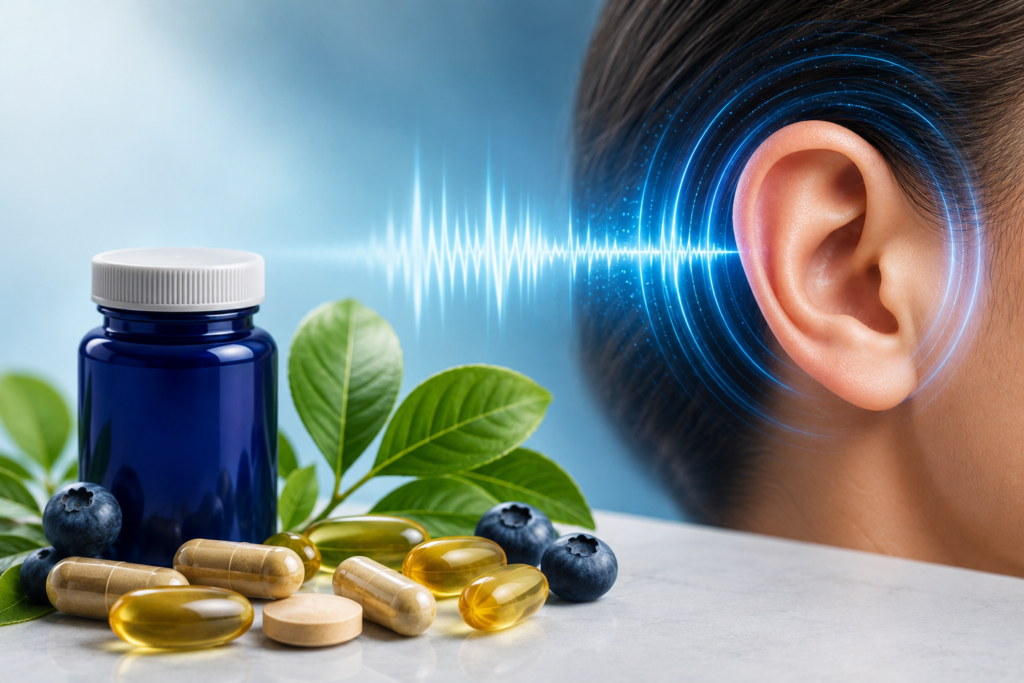
Hearing is one of our most vital senses — it connects us to the people we love, to music, to nature, and to the world around us. Yet hearing health is one of the most overlooked aspects of overall wellness. Many of us don’t think about our ears until we start noticing problems, and by that time, some degree of damage may already have occurred.
The good news? There are meaningful lifestyle choices and supportive habits you can start today to take better care of your hearing. In this article, we’ll explore what affects ear health, warning signs to watch for, and how a well-rounded wellness routine — including proper nutrition — can support your auditory system throughout life.
Why Hearing Health Deserves More Attention
According to the National Institute on Deafness and Other Communication Disorders (NIDCD), approximately 15% of American adults — roughly 37.5 million people — report some degree of hearing difficulty. Hearing loss doesn’t only affect older adults; noise exposure, lifestyle factors, and nutritional gaps can impact people of all ages.
What makes hearing health particularly tricky is that damage often happens gradually and silently. By the time people notice ringing in their ears, muffled sounds, or trouble following conversations, they may have been exposing their auditory system to stressors for years.
Taking a proactive approach — rather than a reactive one — is the most effective strategy.
The Anatomy of Hearing: A Quick Overview
Understanding how we hear helps illustrate why protecting the auditory system matters so much.
Sound travels as vibrations through the air and enters the outer ear, moving down the ear canal to reach the eardrum. The eardrum vibrates and passes those signals to three tiny bones in the middle ear — the malleus, incus, and stapes — which amplify the sound. From there, vibrations move into the cochlea, a fluid-filled structure in the inner ear lined with thousands of microscopic hair cells.
These hair cells are the real heroes of hearing. They convert vibrations into electrical signals that travel via the auditory nerve to the brain, where they are interpreted as sound.
The critical issue: hair cells do not regenerate. Once damaged, they’re gone. This is why protecting your ears from harmful levels of noise and supporting inner ear health through nutrition and lifestyle is so important.
Common Threats to Hearing Health
1. Noise Exposure
This is the leading environmental cause of hearing damage. Prolonged or sudden exposure to loud sounds — concerts, power tools, firearms, or even earbuds at high volume — can damage or destroy hair cells in the cochlea.
The Occupational Safety and Health Administration (OSHA) recommends limiting unprotected exposure to sounds at or above 85 decibels. For context, a normal conversation is around 60 dB; a lawn mower runs at about 90 dB; a rock concert can hit 110 dB or more.
What you can do:
- Wear earplugs or noise-canceling headphones in loud environments
- Follow the 60/60 rule when using earbuds: keep volume at no more than 60% and limit listening to 60 minutes at a stretch
- Give your ears recovery time after loud events
2. Aging
Age-related hearing decline, known as presbycusis, is extremely common. It typically develops gradually over time, often starting with difficulty hearing high-pitched sounds or understanding speech in noisy environments. While aging itself is inevitable, research suggests that lifestyle factors — including diet, physical activity, and cardiovascular health — can influence how well your auditory system ages.
3. Poor Circulation
The inner ear is highly sensitive to blood flow. The cochlea relies on a steady supply of oxygen and nutrients delivered through tiny blood vessels. Conditions that affect cardiovascular health — such as high blood pressure, poor circulation, or metabolic imbalances — can also have ripple effects on auditory function.
Maintaining heart health through regular exercise, a balanced diet, and stress management is therefore beneficial not only for your cardiovascular system but potentially for your hearing as well.
4. Nutritional Deficiencies
Research has explored the relationship between specific nutrients and auditory health. While no supplement can prevent or reverse hearing loss, certain vitamins and minerals play roles in maintaining the cellular structures and processes involved in hearing.
Some of the most studied nutrients in relation to ear health include:
- Magnesium — This mineral has been the subject of research related to noise-induced stress on the inner ear. It may help support healthy circulation in the cochlea.
- Vitamins A, C, and E — These antioxidants help combat oxidative stress, which can affect cells throughout the body, including in the inner ear.
- Zinc — An important mineral for immune function and cellular repair, zinc is found in relatively high concentrations in the inner ear.
- Folate (Vitamin B9) — Some research has looked at folate’s role in supporting healthy blood flow and its potential relevance to auditory health.
- Vitamin B12 — Deficiency in B12 has been associated in some studies with auditory nerve function, though more research is ongoing.
A well-balanced diet rich in colorful vegetables, fruits, lean proteins, whole grains, nuts, and seeds is the foundation for getting these nutrients naturally. For those with nutritional gaps or specific wellness goals, high-quality supplements may offer additional support as part of an overall healthy lifestyle.
Lifestyle Habits That Support Hearing Wellness
Beyond protecting ears from loud noise, several broader lifestyle habits contribute to long-term auditory health.
Eat a Hearing-Friendly Diet
Focus on foods that support circulation, reduce oxidative stress, and provide key micronutrients. Some great choices include:
- Leafy greens like spinach and kale (rich in folate and antioxidants)
- Nuts and seeds (excellent sources of magnesium and zinc)
- Fish and seafood (omega-3 fatty acids support cardiovascular and cellular health)
- Colorful fruits and vegetables (antioxidant powerhouses)
- Whole grains (B vitamins support nerve health)
Limiting processed foods, excess sodium, and added sugars can also help maintain healthy blood pressure and circulation, which in turn supports inner ear function.
Stay Physically Active
Regular aerobic exercise improves blood flow throughout the body, including to the inner ear. Activities like walking, cycling, swimming, and yoga are all excellent for cardiovascular health and can support your overall wellness routine.
Manage Stress
Chronic stress is associated with elevated cortisol levels, which can have wide-ranging effects on the body. Some research suggests a connection between high stress levels and certain auditory conditions, such as tinnitus (ringing in the ears). Mindfulness practices, adequate sleep, social connection, and physical activity are all valuable tools for stress management.
Stay Hydrated
Proper hydration supports overall cellular function and helps maintain the fluid balance in the inner ear. Aim for adequate water intake daily based on your body size and activity level.
Get Regular Hearing Checkups
Just as you schedule annual physicals and dental exams, consider adding regular hearing evaluations to your wellness routine — especially if you’re over 50 or regularly exposed to loud environments. Early detection of any changes in hearing allows for timely intervention and adjustment of protective habits.
Supporting Ear Health with Supplements
For many people, diet alone may not always provide optimal levels of every nutrient. Supplements designed to support ear and auditory health are increasingly popular as part of a broader wellness routine.
When choosing a supplement to support hearing health, look for:
- Transparent ingredient lists with clearly listed dosages
- Third-party tested products to ensure quality and purity
- Science-informed formulations that include nutrients with relevant research behind them
- Reputable brands that follow Good Manufacturing Practices (GMP)
It’s always wise to consult with a healthcare professional before starting any new supplement regimen, especially if you take medications or have existing health conditions. Supplements work best as part of a comprehensive approach that includes a nutritious diet, regular exercise, and smart lifestyle habits.
Remember: Dietary supplements are not intended to diagnose, treat, cure, or prevent any disease. They are intended to complement a healthy lifestyle.
Tinnitus: When Your Ears Won’t Stay Quiet
Tinnitus — the perception of ringing, buzzing, hissing, or clicking in the ears when no external sound is present — affects an estimated 50 million Americans, according to the American Tinnitus Association. While tinnitus is not a disease itself, it is often a signal that something in the auditory system deserves attention.
Common contributors to tinnitus include:
- Noise exposure
- Age-related changes
- Ear infections or blockages
- Certain medications
- Stress and fatigue
If you experience persistent ringing or unusual sounds in your ears, consult an audiologist or ENT (ear, nose, and throat) specialist for a proper evaluation. Managing overall health through diet, stress reduction, and avoiding further noise damage may support wellness and quality of life for those living with tinnitus.
A Final Word: Invest in Your Hearing Now
Hearing health is a lifelong investment. The habits you build today — protecting your ears from noise, eating a nutrient-rich diet, staying active, managing stress — lay the groundwork for better auditory wellness as you age.
You don’t need to wait until you notice a problem to start prioritizing your ears. Small, consistent choices add up. Whether it’s reaching for noise-canceling headphones at the next concert, adding more magnesium-rich foods to your meals, or exploring a high-quality hearing health supplement, every step you take is a step toward supporting the sense that keeps you connected to the world.
These statements have not been evaluated by the FDA. This product is not intended to diagnose, treat, cure, or prevent any disease. Always consult a qualified healthcare professional before making changes to your diet, lifestyle, or supplement routine.
As an affiliate, I may earn a commission from purchases made through the links provided in this article, at no additional cost to you.